Duck and Flower: A Charming Embroidery Design for Meaningful Gifts
First Impressions: Sweet, Timeless, and Gently Whimsical
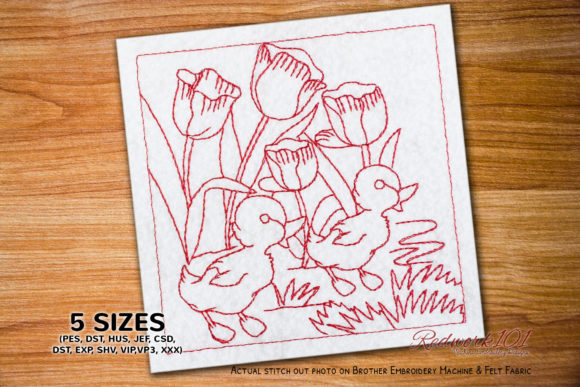
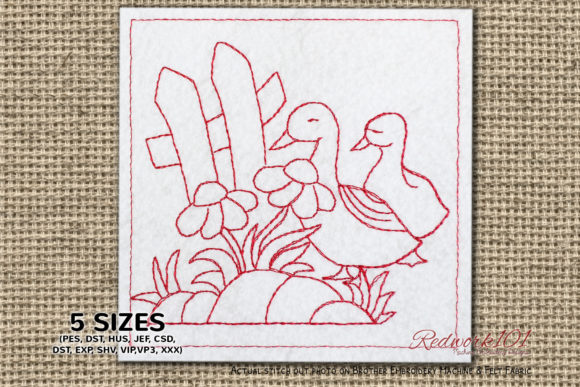
When I opened Duck and Flower for the first time, I smiled—immediately. It’s not flashy or overly detailed, but it carries a quiet warmth that resonates deeply with handmade sensibility. The duck and duckling walking side-by-side in a garden setting evoke tenderness and new beginnings. The gate, soft floral clusters, and subtle trees suggest safety, growth, and gentle transition—ideal for baby embroidery, nursery decor, or wedding keepsakes. This isn’t a cartoonish design; it’s softly rendered, balanced in scale, and emotionally grounded. It reads as classic rather than trendy, making it a versatile machine embroidery design across seasons and customer generations.
Where Duck and Flower Truly Shines
This design excels where emotional resonance meets practical application. As a personalized gift, Duck and Flower feels intentional—not generic. Here’s how it translates across real product categories:
- Baby embroidery: Perfect on organic cotton blankets, onesies (with careful placement), or linen crib bumpers—especially when paired with soft pastel thread colors.
- Wedding gift: Stitched onto a linen pillow cover or handkerchief, it becomes a quiet symbol of partnership and nurturing love—ideal for couples who appreciate nature-inspired elegance over monograms.
- Embroidered towel: Works beautifully on high-quality cotton kitchen or guest towels. The garden motif adds charm without overwhelming texture.
- Nursery decor & tote bags: Its moderate size and clear silhouette hold up well on woven cotton totes or framed hoop art—great for craft fairs or Etsy listings.
- Pillow covers & aprons: The composition balances nicely on square or rectangular surfaces, and its vertical flow suits apron bibs or throw pillow fronts.
Smart Placement Matters—Know Your Limits
While Duck and Flower is highly adaptable, it’s not universally forgiving. Use caution on:
- Stretchy baby clothes: Delicate stitching near curved seams (like necklines or cuffs) may pucker unless stabilized heavily—and even then, test thoroughly.
- Thick or textured fabric: Heavy terry cloth or bouclé can obscure fine stems or tiny flower centers. Simplify thread color choices and consider slightly larger stitch density if needed.
- Dark fabric: The gate and background elements rely on contrast. Always run a printable mockup or sew a test swatch using your intended thread palette—some light greens or yellows may vanish on navy or charcoal.
- Curved surfaces (mugs, rounded totes): Avoid wrapping the full scene around tight curves—the gate and duck alignment will distort.
- Frequent-wash items: Though charming, small botanical details require secure underlay and quality stabilizer to prevent fraying after repeated laundering.
Giftability, Trust, and the Handmade Halo Effect
Duck and Flower elevates perceived value instantly. Customers browsing Etsy or boutique gift shops don’t just see “a duck.” They see narrative: care, continuity, gentleness. That emotional hook builds trust—especially for small shop products where buyers seek authenticity over mass production. When photographed thoughtfully (e.g., on a folded muslin blanket beside fresh lavender), it performs exceptionally well in product photography. Buyers linger longer, click “add to cart” more confidently, and leave heartfelt reviews referencing “the sweet duck family.” For digital embroidery file sellers, bundling Duck and Flower with coordinating floral borders or monogram options increases average order value.
Practical Embroidery Notes Every Maker Should Follow
Before stitching your first Duck and Flower finished product, treat it like a custom embroidery client project—even if you’re the one placing the order:
- Always test on scrap fabric matching your final substrate—thread tension and stabilizer choice shift dramatically between linen and terry cloth.
- Confirm hoop size compatibility. If the outer Box Stitch is used (as noted in the description), ensure your hoop accommodates both the main scene and optional frame.
- Review stitch density. Dense fill areas (like the duck’s body) should be balanced against lighter satin stitches (petals, gate slats) to avoid stiffness or puckering.
- Use proper stabilizer. Medium-weight cutaway works best for most applications; tear-away suffices only for stable wovens like quilting cotton.
- Compare light and dark fabric mockups. Some thread colors pop on ivory but disappear on oatmeal—verify before bulk production.
- Check small details post-stitching. Tiny flower centers or gate wood grain may need manual touch-ups with a fine needle if they didn’t catch cleanly.
- Confirm commercial licensing. Since Duck and Flower is positioned for personalized gift use, verify whether your source permits resale of finished embroidered items—especially important for Etsy sellers and baby product creators.
A Final Thought for Small Business Makers
Duck and Flower isn’t just another Birds category embroidery file—it’s a storytelling tool. In a market saturated with fonts and clipart, this design invites customers into a moment: a shared walk, a protected garden, a quiet beginning. Whether stitched on a hospital welcome blanket, a bridal shower towel, or a custom tote for a birdwatching grandparent, it carries sincerity. For handmade product sellers, that authenticity converts browsers into loyal buyers. Just remember: honor its gentle spirit with thoughtful execution—test, stabilize, contrast-check, and always stitch with intention. When you do, Duck and Flower won’t just decorate a product. It’ll deepen the connection between maker, gift, and recipient.