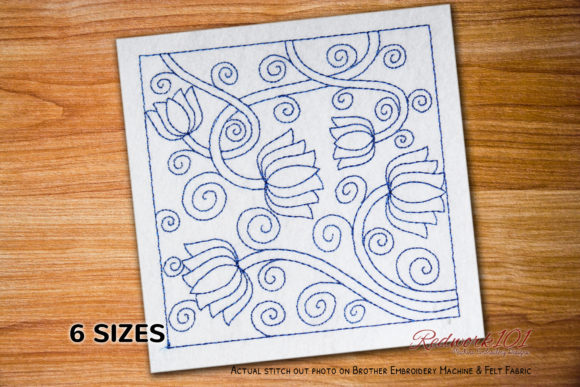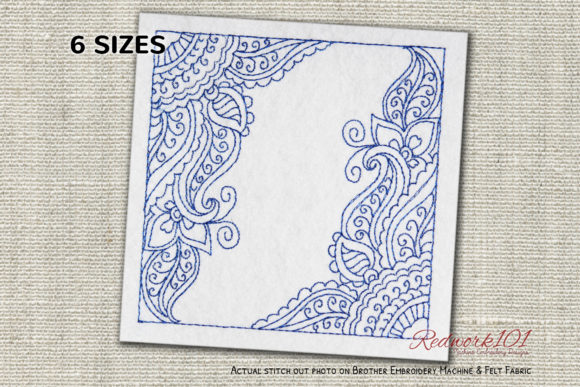
Mehandi Flower Lineart: A Seasonal Embroidery Gem
First Impression: Elegant, Timeless, and Quietly Festive
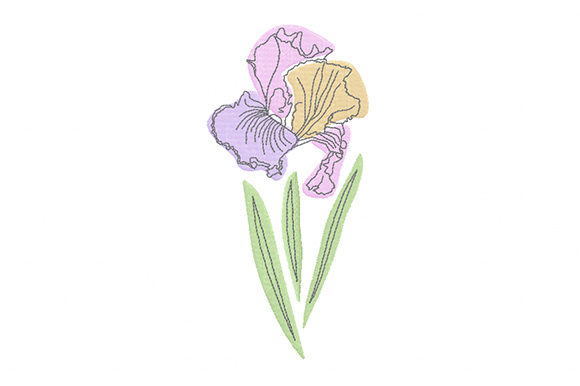
As an embroidery designer who’s curated seasonal collections for over a decade, my first glance at Mehandi Flower Lineart landed with immediate resonance. It’s not loud or overtly holiday-themed—but that’s precisely its strength. The delicate linework evokes tradition, grace, and quiet celebration. It reads as spiritual yet accessible, romantic but grounded, elegant without feeling stiff. Unlike busy holiday motifs, this design breathes. Its fine-line aesthetic leans into modern minimalism while honoring cultural artistry—making it ideal for customers seeking meaningful, non-generic handmade gifts.
Why It Fits Real Holiday Product Scenarios
Mehandi Flower Lineart shines where emotional connection meets practical versatility. On sweatshirt embroidery, it adds subtle sophistication to family matching sets—think cream crewnecks for grandparents, soft teals for teens, muted rusts for toddlers. As a tote bag design, it elevates everyday carry into gift-ready packaging: pair it with dried lavender sachets or artisan soap for Etsy listings that convert. On kitchen towel embroidery, its clean lines hold up beautifully against linen texture and frequent washing—no visual fatigue, no datedness.
For pillow covers and table linens, the design scales gracefully. Its open structure avoids overcrowding, letting fabric texture shine through. As an embroidered patch, it works across denim jackets, backpacks, and baby onesies—bridging generations in holiday gifting. And because it’s part of the Single Flowers category, it layers seamlessly into curated bundles: combine with coordinating leaf sprigs or tiny stars for limited-edition holiday drops without clashing.
Social media previews pop too. Its lineart nature translates crisply into printable mockups and Instagram story graphics—no pixelation, no color bleed. Buyers instantly recognize its craftsmanship, boosting trust before they even click “Add to Cart.” That visual recognition is gold during peak holiday shopping, when scroll speed is high and attention spans are short.
Where to Use Mehandi Flower Lineart Thoughtfully
This isn’t a one-size-fits-all machine embroidery design—and that’s okay. Its beauty lies in intentionality. Avoid cramming it into tiny hoop sizes (under 3” diameter) where fine linework may blur or skip stitches. On thick towels or dense terry cloth, test stitch density first: overly tight stitching can cause puckering; too loose risks thread lift. With dark fabric, confirm thread colors contrast clearly—especially if skipping the optional outer box color, which some designs use for framing.
Be mindful on stretchy garments like ribbed knits or curved caps: stabilize generously and consider reducing density slightly to preserve drape. Metallic thread? Possible—but only with proper needle size and slower speed. Always test on scrap fabric first. And never assume compatibility with every fabric texture: smooth cotton poplin sings with this design; heavily napped fleece may mute its clarity.
Seasonal Appeal That Builds Buyer Trust
Holiday shoppers don’t just buy products—they buy meaning, memory, and mood. Mehandi Flower Lineart taps into nostalgia without leaning on cliché. It feels personal, not mass-produced—a hallmark of trusted small shop product curation. Customers associate its refined simplicity with care, making finished product pricing feel justified—even premium.
That perception strengthens brand consistency across your holiday lineup. Whether you’re an Etsy seller launching a “Quiet Holidays” collection or a craft fair vendor offering personalized gift sets, this embroidery file anchors your aesthetic. It signals thoughtfulness—not trend-chasing. And because it’s versatile across apparel, home, and accessories, it supports cohesive visual storytelling in your shop banners, email headers, and printable promotional graphics.
Practical Designer Notes Before You Stitch
- Test thread colors on both light and dark fabric swatches—especially if omitting the outer box color mentioned in the description.
- Confirm hoop size requirements before digitizing or purchasing—lineart can scale, but density and jump stitches change with size.
- Use appropriate stabilizer: medium-weight cutaway for stable fabrics, tear-away for lighter weaves, and fusible for knits.
- Create realistic mockups using actual garment photos—not just flat templates—to assess how the design interacts with seams, curves, and folds.
- Review small details post-stitch: check for stray thread ends, crisp line continuity, and whether any inner loops need trimming for clean presentation.
- Plan matching color palettes across your seasonal range—soft terracottas, sage greens, oatmeal creams, and indigo blues all harmonize naturally with Mehandi Flower Lineart.
- Verify commercial licensing before selling finished seasonal products—this is essential for Etsy sellers and small business owners using digital embroidery files.
Final Thought: A Design That Grows With Your Shop
Mehandi Flower Lineart isn’t just another holiday embroidery file—it’s a long-term asset. Its quiet elegance means it won’t date out after December. Use it for Diwali collections, spring baby showers, wedding favors, or summer market booths. As a single flower embroidery design, it invites expansion: add subtle initials, pair with hand-lettered dates, or nestle it beside monogrammed borders. For apparel decorators and handmade gift makers alike, it’s proof that restraint—when executed with precision—can be the most powerful seasonal statement of all.