Flower Circle: A Thoughtful Embroidery Design for Real Projects
First Impressions: Light, Lyrical, and Purposefully Balanced
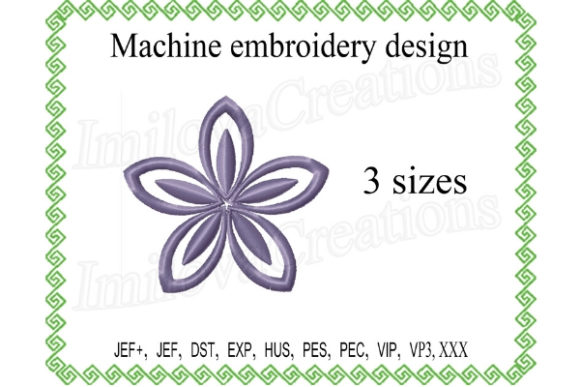
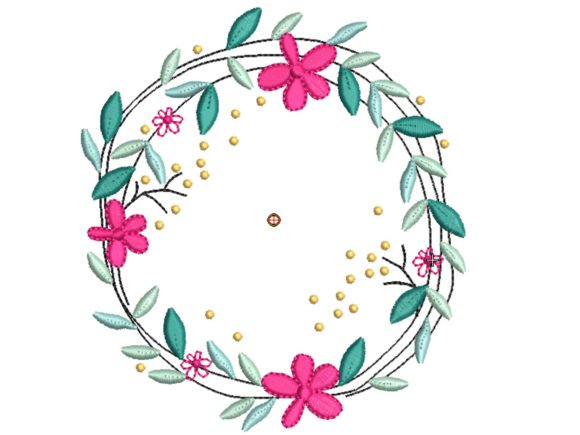
When I opened Flower Circle for the first time, what struck me wasn’t just its springtime charm—but its quiet intentionality. This isn’t a cluttered floral explosion or an overly fussy motif. It’s a cohesive, circular composition of stylized blossoms with gentle spacing, soft petal curves, and subtle layering that reads clearly at both 3” and 5” diameters. The mood is hopeful but grounded—perfect for a handmade product that feels personal without being cloying. As a designer who regularly selects embroidery files for client work, I immediately saw how Flower Circle could anchor a boutique tote bag, elevate a nursery pillow cover, or soften the front of a linen apron.
A Real-World Test: Stitching It on a Linen-Cotton Tea Towel
Last week, I used Flower Circle to embroider a set of kitchen towels for a local café’s Mother’s Day gift bundle. I chose a medium-weight natural linen-cotton blend—textured enough to add character, stable enough to hold detail. With light tear-away stabilizer and 40-weight rayon thread in sage, buttercup, and dusty rose, the design stitched cleanly. No puckering. No skipped stitches. The satin stitch petals held their shape beautifully, and the fill stitch centers had just enough texture—not too dense, not too sparse. Customers responded strongly to the finished pieces: “It looks hand-drawn,” one said. That’s the mark of a well-constructed machine embroidery design—it bridges the gap between digital precision and human warmth.
Where Flower Circle Shines (and Where It Needs Care)
Flower Circle performs especially well on:
- Custom apparel: It sits elegantly on the left chest of a crewneck sweatshirt—balanced, not overwhelming.
- Baby embroidery: Its rounded shape and open negative space make it ideal for onesies or burp cloths—soft, legible, and gentle on delicate skin.
- Embroidered patch: When stitched onto twill and heat-applied, the circle holds crisp edges without fraying or distortion.
- Holiday embroidery and wedding gifts: Paired with ivory thread on oatmeal linen, it reads as timeless—not seasonal, not trendy. That longevity matters for Wedding Flowers collections.
- Etsy seller listings: As a digital embroidery file, it scales cleanly across mockups—from flat lay photos to 3D cap renders—making product presentation effortless.
But let’s be honest: Flower Circle isn’t magic. It needs thoughtful pairing. On ultra-thin fabrics like voile or lightweight rayon, I’d reinforce with cutaway stabilizer and reduce stitch density if possible (check your file settings). On highly textured surfaces—like bouclé or thick terry—it can lose some petal definition, so test first. And while it works on dark fabric, avoid low-contrast thread colors; the design relies on shape clarity more than bold graphic impact. Curved surfaces—like structured caps—require careful hooping and possibly slight digitizing tweaks to maintain symmetry.
What It Adds to Your Handmade Product—and What It Doesn’t
This isn’t a “wow” design meant to dominate attention. Instead, Flower Circle adds quiet confidence. It elevates a simple tote bag into something customers describe as “thoughtfully made.” It makes a personalized gift feel intentional—not just monogrammed, but considered. For craft business owners, that translates directly to perceived value and repeat trust. Buyers don’t just buy the embroidery—they buy the feeling that someone paid attention to balance, scale, and harmony.
It also supports brand consistency. Whether you’re stitching for your own small shop product line or fulfilling custom orders, Flower Circle delivers predictable results across fabric types and hoop sizes—no surprise gaps, no inconsistent fills. That reliability saves time, reduces rework, and strengthens your reputation as a meticulous maker.
Practical Designer Notes Before You Stitch
Before using Flower Circle in any project—especially commercial embroidery or digital resale—here’s what I always do:
- Test on scrap fabric first, using your exact thread, stabilizer, and machine settings.
- Check thread color contrast against both light and dark backgrounds—you’ll want those petal outlines to read clearly.
- Review stitch density. If your version includes heavy fill areas, consider reducing density by 5–10% for lightweight fabrics.
- Confirm hoop size compatibility. A circular design like this benefits from centered placement—know your minimum hoop diameter before hooping.
- Inspect small details at actual stitch-out size: are the inner flower centers distinct? Do stems taper naturally?
- Test black-and-white mockups. If you sell digital embroidery files, grayscale previews must still communicate shape and hierarchy.
- Use proper stabilizer—lightweight cutaway for knits, tear-away for stable wovens, and fusible for layered applique variations.
- Verify licensing. Since Flower Circle is marketed as a machine embroidery design for creating deco pieces, confirm whether it permits commercial use of finished products—or resale of the digital embroidery file itself—before listing on Etsy or bundling into design assets.
Final Thought: A Design That Serves the Maker First
As someone who evaluates hundreds of embroidery files each year, I appreciate when a design respects the process—not just the outcome. Flower Circle does that. It doesn’t demand excessive stabilizer, over-engineered tension, or pixel-perfect alignment. It flows. It breathes. It fits naturally into real workflows: whether you’re stitching baby embroidery before sunrise, prepping holiday embroidery stock for your small shop, or building printable mockups for your next digital product launch. It’s not flashy—but it’s dependable, graceful, and quietly versatile. And in the world of handmade product and commercial embroidery, that kind of reliability is rare, valuable, and deeply professional.